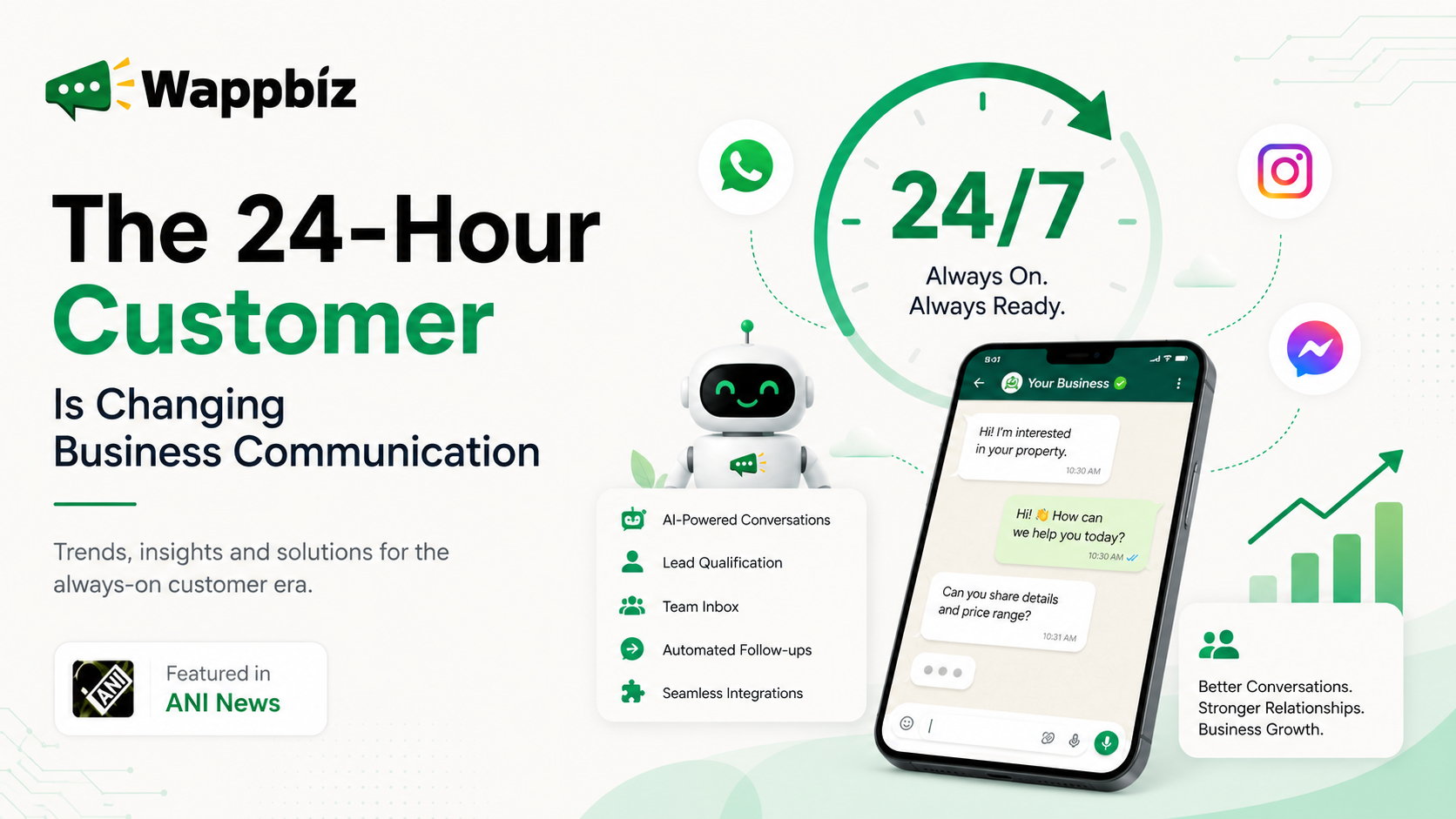

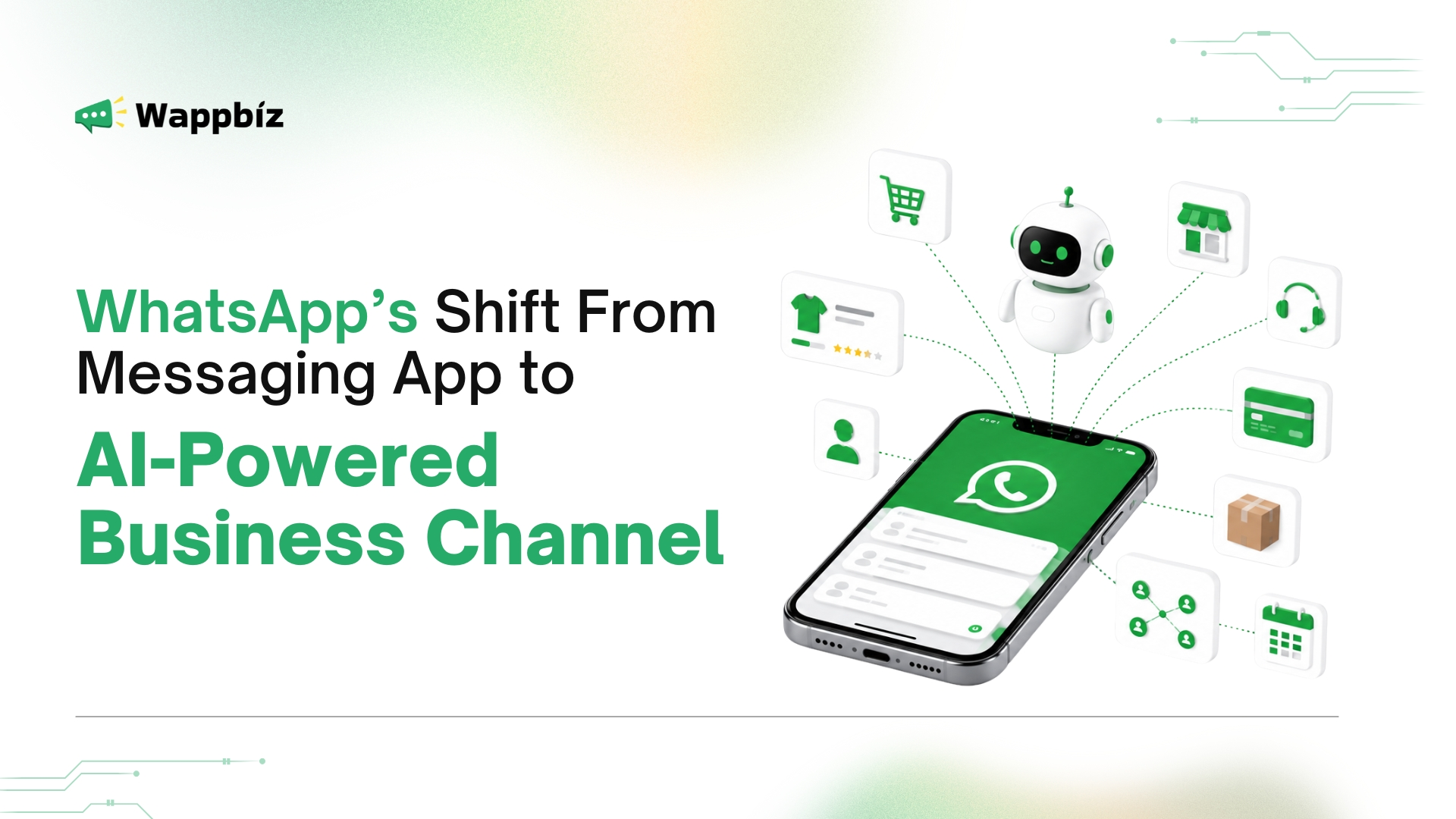
Meta’s latest AI Vision Report indicates that WhatsApp is moving beyond simple messaging and chatbot support toward a more advanced AI-powered business communication model. This strategic shift is deeply intertwined with massive macroeconomic transformations: experts anticipate that automated, agent-driven transactions will fuel a $3 to $5 trillion surge in global commerce by 2030. This evolution is heavily accelerated by changing consumer habits, with more than half of modern shoppers already bypassing standard search engines to initiate their product discovery directly within conversational AI models.
The report focuses on what Meta calls the agentic economy, a future where AI agents do not just answer questions, but also take action across the customer journey. These agents can support product discovery, qualify leads, recommend products, process purchases, handle service requests, manage returns, and re-engage customers after the first interaction.
For businesses using WhatsApp Business API, this could be a major turning point.
Until now, many businesses have used WhatsApp mainly for broadcasts, customer replies, order updates, and basic chatbot automation. Meta’s report suggests the next phase will be more action-driven, where WhatsApp becomes a channel for complete customer engagement, from first message to final conversion.
According to the report, more than one million businesses already use Meta’s AI-enabled chatbots on Messenger and WhatsApp every week. Meta also highlights that the future will move from chatbots that respond to agents that act, including booking appointments, processing returns, closing sales, and managing conversations at scale. This mirrors broader corporate automation shifts; market insights from a Gartner study reveal that by 2028, nearly 60% of brands will actively employ autonomous AI agents to manage streamlined, hyper-personalized consumer interactions end-to-end.
This shift is especially relevant for small and growing businesses that already depend on WhatsApp for sales and customer communication. As customer expectations rise, manual replies, scattered follow-ups, and basic automation may no longer be enough.
For communication platforms navigating this space, Meta’s evolution directly shapes the development roadmap for future-proof business tools. While Meta’s native solutions make baseline AI features accessible to everyone, scaling operations require tailored architectures designed precisely around unique user workflows. shift highlights the growing role of official WhatsApp Business API providers like Wappbiz. Instead of relying on rigid, one-size-fits-all setups, advanced platforms are evolving to combine deep AI automation with highly customizable workflows. This allows businesses to implement smart AI qualification based on their own custom criteria, trigger automated lead status updates, and directly connect with CRMs to handle complex order management tasks like returns ensuring structured customer journeys adapt seamlessly alongside Meta’s rapid changes.
Meta’s report also points out that the real challenge is not just adopting AI, but connecting AI with business workflows. Businesses that organize their customer data, product catalogs, FAQs, support processes, and follow-up journeys will be better prepared for AI-led engagement.
In simple terms, WhatsApp is becoming more than a messaging app for businesses. It is moving toward becoming a full customer engagement channel where conversations can generate leads, drive sales, provide support, and build long-term relationships.
For WhatsApp Business users and the growing Wappbiz community, the takeaway is clear: the future of business communication relies entirely on how deeply AI automation integrates with your specific workflows. Success in this new agentic economy belongs to businesses that move past one-size-fits-all setups to build custom conversational journeys that turn casual chats into automated, deeply personalized customer experiences.