
WhatsApp Business API Built for Scale. Compliance. Performance.
The WhatsApp Business API, now officially referred to as the WhatsApp Business Platform, is a messaging infrastructure developed by Meta for medium and large businesses that need to communicate with customers at scale.
Unlike the free WhatsApp Business App, the API is not a standalone application. It is a backend platform that must be accessed through an official WhatsApp Business Solution Provider (BSP) like WappBiz.
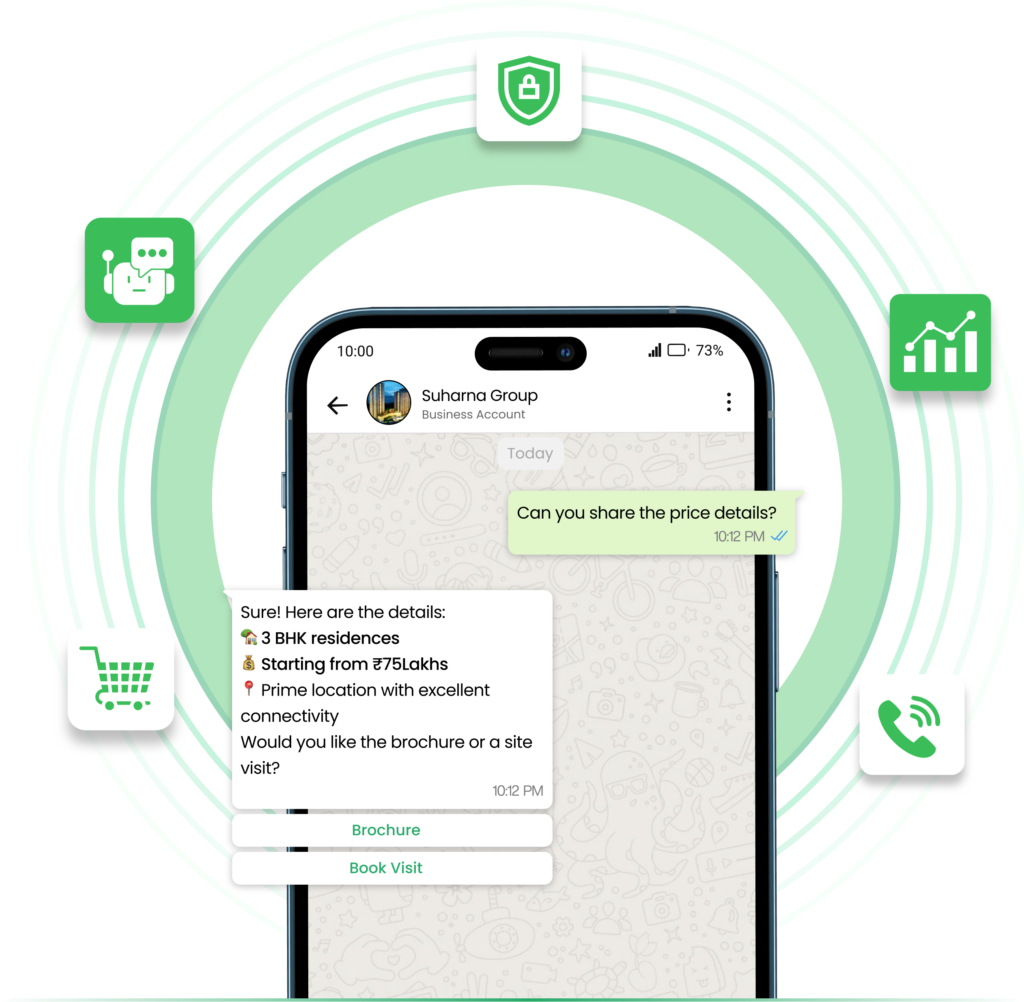
Unlocking Capabilities of WhatsApp Business
Manage high volumes of customer conversations
Automate messaging and workflows
Send compliant broadcast and transactional messages
Integrate WhatsApp with CRM, eCommerce, and internal systems
Enable multiple agents to operate on one WhatsApp number
Track performance, conversions, and revenue attribution
Why WhatsApp Business API Matters in 2026
With 3+ billion active users globally, WhatsApp is now one of the most effective business communication channels for engagement, conversion, and retention.
WhatsApp Business API vs WhatsApp Business App
| Features |
 WhatsApp Business
|
 WappBiz (WhatsApp API)
|
|---|---|---|
| Daily Broadcast Limit | 256 contacts | Unlimited (policy-based) |
| Multi-user Access | Up to 5 devices | Unlimited users |
| Chatbots & Automation | ||
| CRM & Tool Integrations | ||
| Campaign Analytics | ||
| Blue Tick Support | ||
| Remarketing & Lifecycle Campaigns |
Benefits of WhatsApp Business API
Automation and 24/7 Support
AI-powered chatbots and automated FAQs can handle high-volume, repetitive inquiries, reducing support ticket volume by up to 60%.
Scalable Customer Interaction
Unlike the app, the API allows broadcasting messages to thousands of opted-in users and supporting multiple agents on a single number.
Personalized Marketing & Sales
Personalized, rich media messages (images, videos, PDFs) can be sent to target audiences to increase engagement and conversion rates.
Secure & Trusted Communication
Verified Green Tick profiles build credibility, while end-to-end encryption ensures high data security.
Seamless CRM Integration
The API integrates with existing CRM platforms, e-commerce systems, and payment gateways, enabling streamlined, multi-channel customer journeys.
Interactive Features
Use message templates with call-to-action (CTA) buttons, such as "Buy Now" or "Book Appointment," to drive direct actions.
Explore WhatsApp Business API Powered Solutions
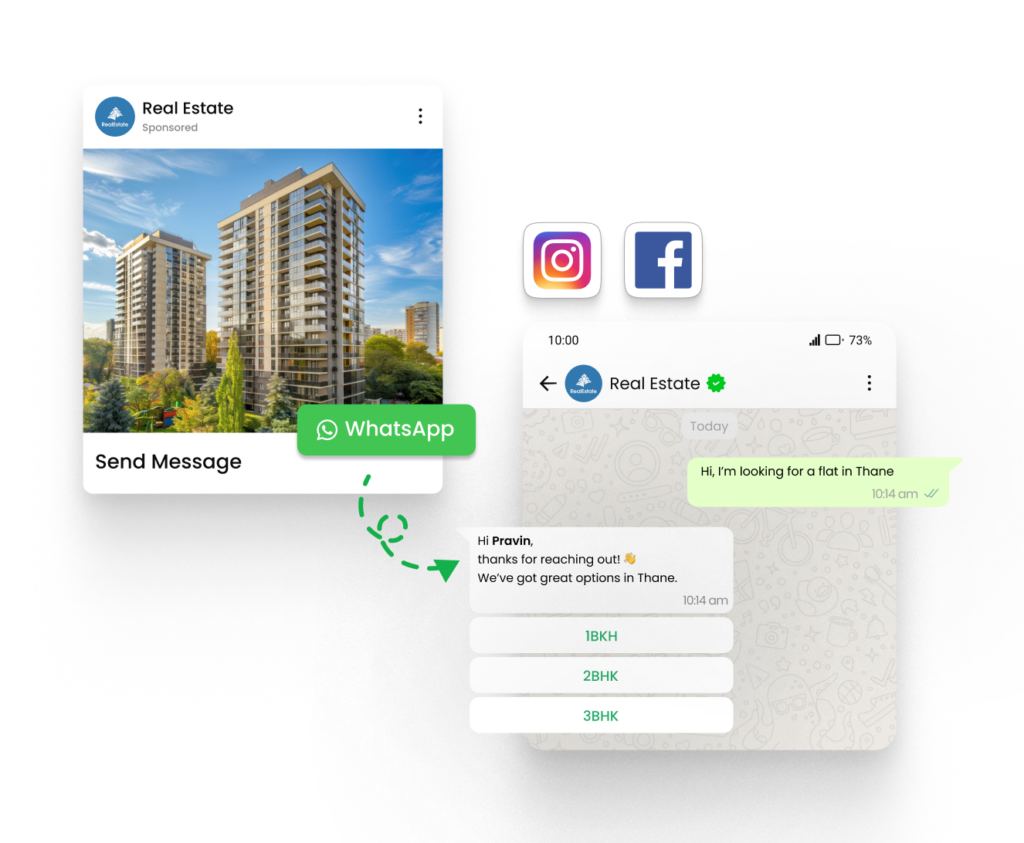
AI Powered Click to WhatsApp Ads
Drive instant conversations from Facebook & Instagram ads to WhatsApp.Run Ads on Facebook & Instagram that land on WhatsApp. 5X Your lead generations & 2-3X Conversions Instantly! Reduce drop-offs by letting customers message you in one tap instead of filling forms.
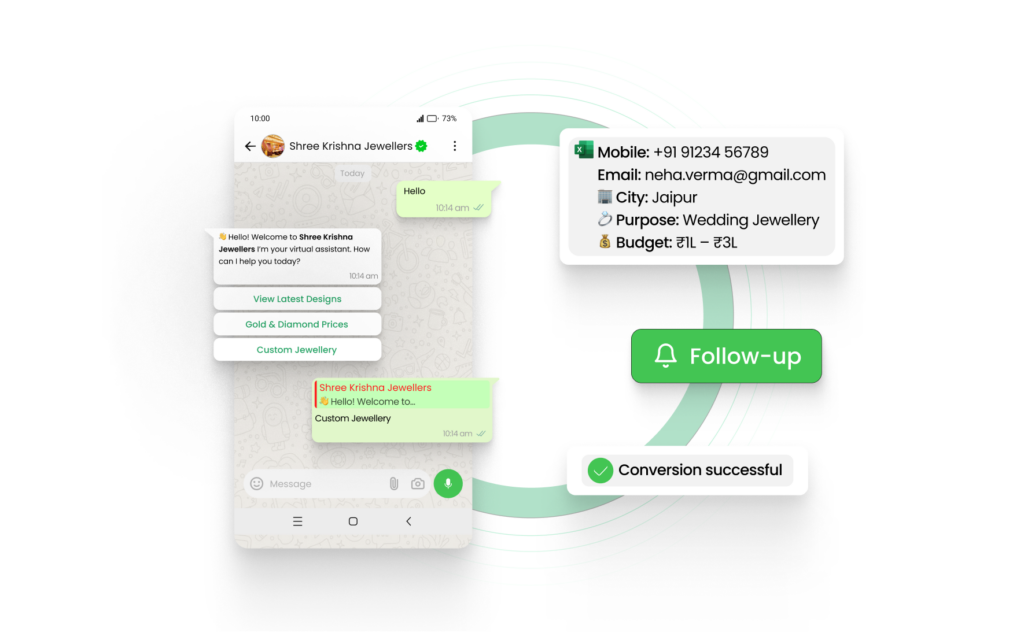
WhatsApp Lead Generation
Capture high-intent leads directly inside WhatsApp conversations.
Turn every customer query into a qualified contact with structured lead capture and follow-ups. No missed opportunities, no manual data entry.
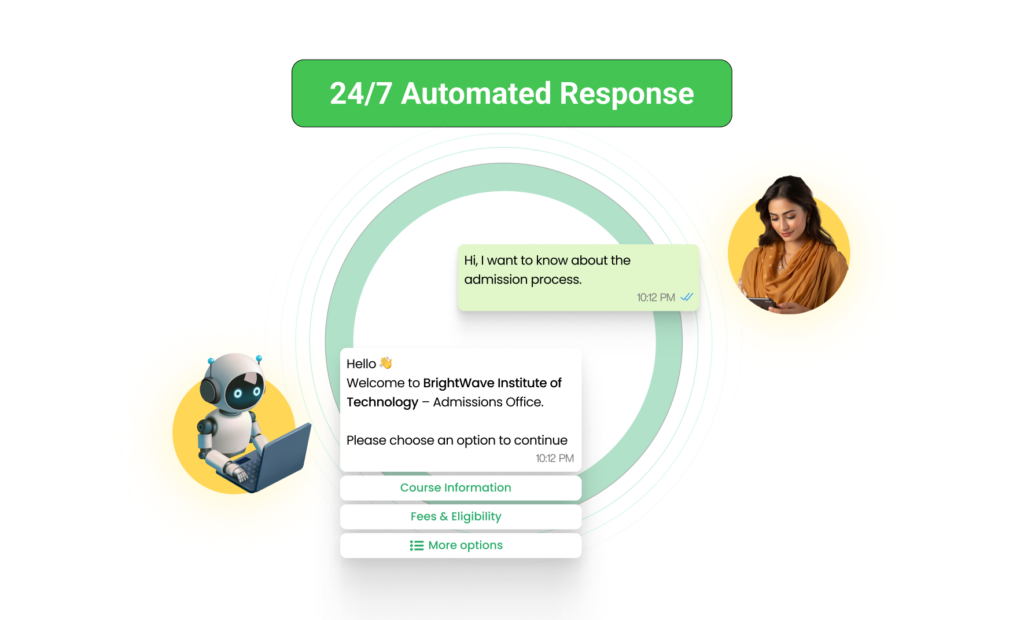
AI Chatbot
Reply instantly, even when your team is offline.
Automate FAQs, product queries, lead qualification, and appointment bookings in minutes.
Give customers quick answers while your team focuses on closing.
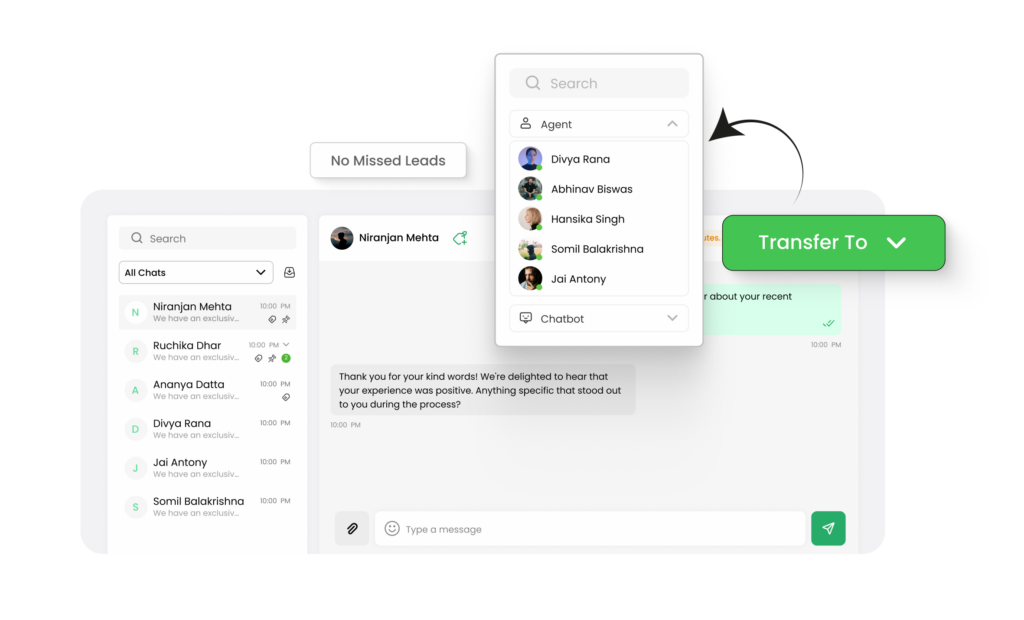
Shared Team Inbox
Manage all customer chats from one place, across teams, agents, and departments.
Assign conversations, track ownership, and ensure every lead gets a response.
Perfect for sales + support workflows at scale.
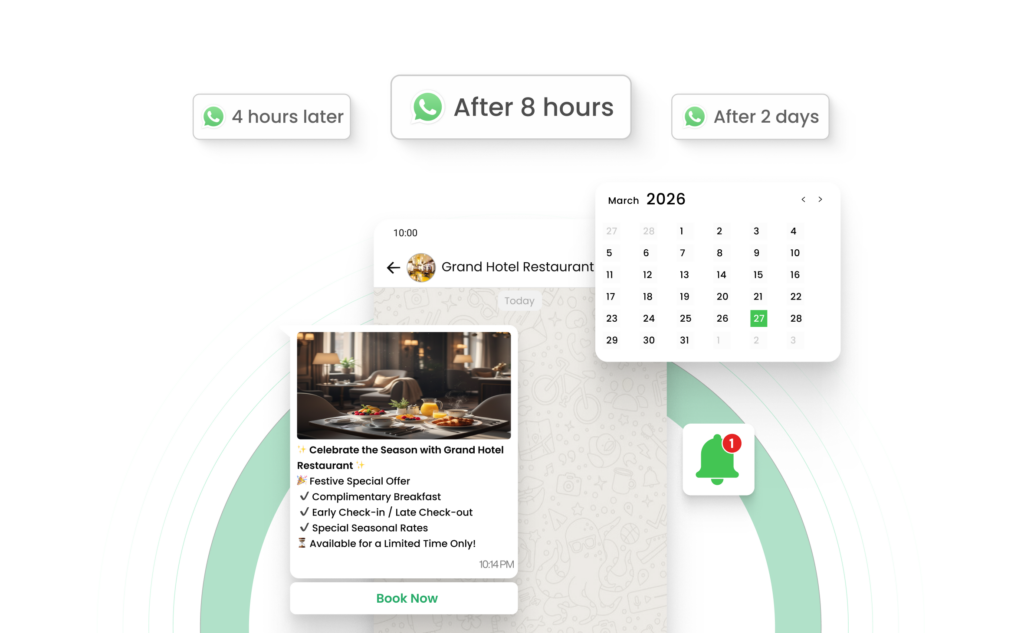
WhatsApp Drip Campaign
Nurture leads automatically with timed WhatsApp messages.
Send follow-ups, reminders, offers, and onboarding flows without chasing manually.
Stay top-of-mind and close more deals consistently.
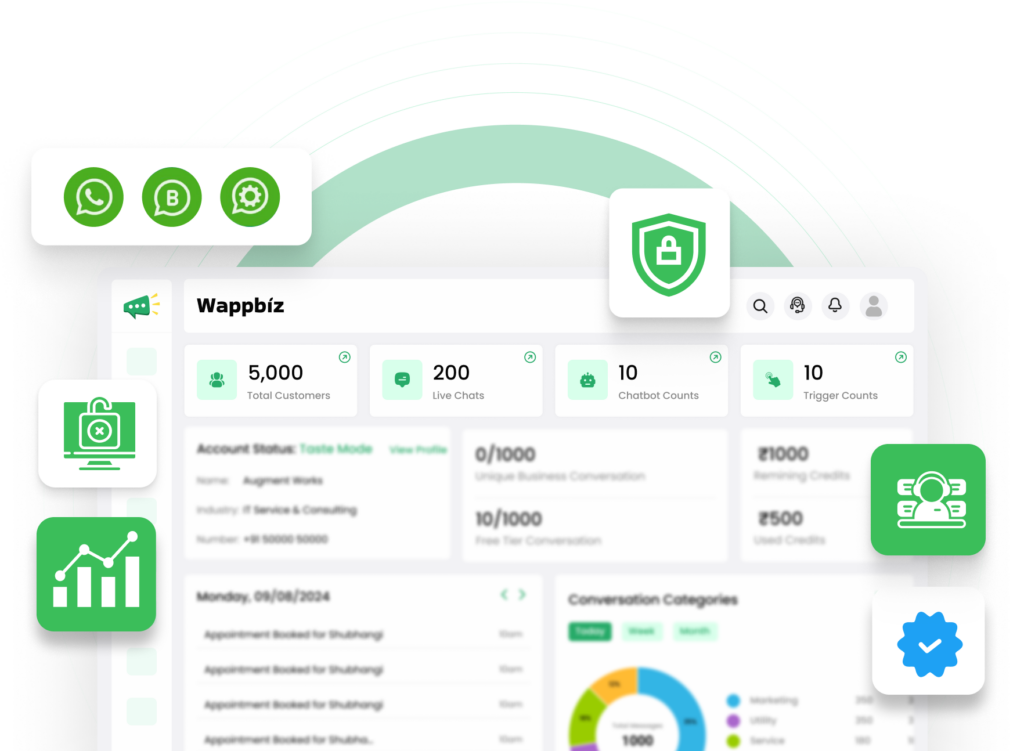
Why Choose WappBiz As Preferred WhatsApp Business Platform
- Official WhatsApp Business API Provider
- Transparent pricing (no hidden fees)
- Enterprise-grade security
- Dedicated onboarding & support
- Built for scale—not hacks
WhatsApp Business API FAQs
What is WhatsApp Business API?
WhatsApp Business API (also called the WhatsApp Business Platform) is an enterprise-grade messaging infrastructure developed by Meta. It enables businesses to communicate with customers at scale using automation, integrations, analytics, and multi-agent access—capabilities not available in the free WhatsApp Business App.
How is WhatsApp Business API different from the WhatsApp Business App?
The WhatsApp Business App is designed for small businesses and manual communication. The API is built for scalability and system-level integration.
Key differences:
- Unlimited agents vs limited devices
- Advanced automation vs basic quick replies
- CRM and eCommerce integrations vs none
- Scalable broadcasts vs 256-contact limit
- Enterprise analytics and governance
If WhatsApp impacts revenue, support SLAs, or lifecycle communication, the API is required.
Is WhatsApp Business API free?
The API itself does not have a subscription fee from WhatsApp, but usage is billed by Meta based on message templates sent.
Additionally, businesses typically pay a platform fee to their WhatsApp Business Solution Provider (BSP) for software, automation, integrations, and support.
How does WhatsApp Business API pricing work?
As of July 1, 2025, WhatsApp follows a per-template pricing model:
- Each template message sent is billed individually
- Pricing depends on message category:
- Marketing
- Utility (order updates, alerts)
- Authentication
Replies within customer-initiated service windows are handled differently. Strategic automation design is critical to control costs.
Can businesses send bulk or broadcast messages using WhatsApp Business API?
Yes. WhatsApp Business API allows compliant broadcast messaging to opted-in users using approved templates.
Typical use cases include:
- Promotions and offers
- Product launches
- Back-in-stock alerts
- Win-back and re-engagement campaigns
- Service announcements
All broadcasts must follow WhatsApp opt-in and content policies.
Will my WhatsApp number get blocked if I use the API?
When used correctly, no. Number restrictions usually happen due to:
- Messaging users without opt-in
- Poor message quality or spam-like behavior
- Overuse of promotional templates
Using an official BSP and following best practices ensures number health, compliance, and long-term deliverability.
Can multiple team members use the same WhatsApp number?
Yes. One of the biggest advantages of the API is multi-agent access.
Businesses can:
- Assign roles and permissions
- Route conversations automatically
- Balance workloads across teams
- Transfer chats without losing context
This is essential for sales, support, and operations teams.
Does WhatsApp Business API support chatbots and automation?
Yes. The API supports advanced automation, including:
- FAQ handling
- Lead qualification
- Appointment booking
- Order and payment updates
- Trigger-based workflows
Automation can seamlessly hand over conversations to human agents when required.
Can WhatsApp Business API integrate with CRM and eCommerce platforms?
Yes. WhatsApp Business API is designed for deep system integration.
Common integrations include:
- CRM systems (for customer data and history)
- eCommerce platforms (for carts, orders, inventory)
- Payment gateways
- Analytics and internal tools
This enables personalized, context-aware conversations at scale.
What is the WhatsApp Cloud API?
The Cloud API is WhatsApp’s official hosting model, where the API is hosted directly by Meta instead of on-premise servers.
It simplifies setup, improves reliability, and is now the preferred access method for most businesses.
A BSP still provides the software layer on top of the Cloud API.
Can an existing WhatsApp number be migrated to the Business API?
Yes. Most businesses can migrate an existing WhatsApp number, provided:
- The number is not actively used on the WhatsApp or Business App during migration
- Business verification requirements are met
A proper migration plan avoids downtime and data loss.
Is WhatsApp Business API secure and GDPR-compliant?
Yes. The platform is built with enterprise-grade security and supports GDPR-aligned data handling.
Key aspects include:
- End-to-end encryption
- Opt-in and consent management
- Secure API infrastructure
- Data governance controls
Compliance also depends on how businesses design and operate their workflows.
Who should use WhatsApp Business API?
WhatsApp Business API is ideal for businesses that:
- Handle high message volumes
- Use multiple sales or support agents
- Run lifecycle marketing campaigns
- Need automation with human oversight
- Require measurable ROI from messaging
Common industries include D2C, Retail, BFSI, SaaS, Education, Healthcare, Automotive, and Logistics.
How long does WhatsApp Business API approval take?
Approval timelines vary, but typically include:
- Business verification
- Phone number verification
- Template review
With the right documentation and setup, most businesses can go live within a few working days.
Can WhatsApp Business API be used alongside email and SMS?
Yes. WhatsApp works best as part of a multi-channel strategy, often outperforming email and SMS for time-sensitive and high-intent communication.
Many businesses gradually shift critical journeys—like support, reminders, and recovery—toward WhatsApp.
Is WhatsApp Business API suitable for small businesses?
Very small businesses with low message volume may start with the WhatsApp Business App.
However, businesses planning to scale, automate, or integrate WhatsApp into their systems should adopt the API early to avoid migration friction later.